The Weight of Small Things
I have learned that the smallest piece of evidence can carry the greatest weight. Not because of what it is, but because of who left it behind.
People often imagine that evidence has to be dramatic. A hidden file. A confession. A fingerprint left where it should not have been. Those things certainly exist, but they are rare. Most of the evidence I deal with every day is remarkably ordinary.
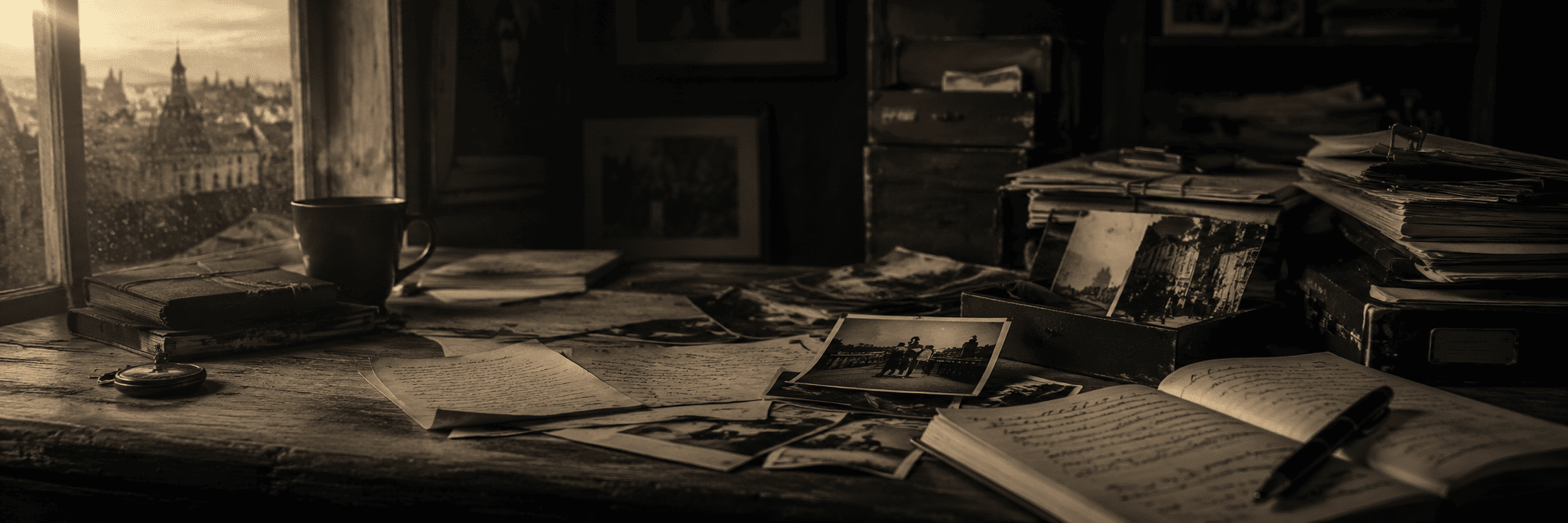
A shopping list. A voicemail. An old photograph folded into a book. A name written in the corner of a document.
By themselves they are almost meaningless. They become important only when they are connected to a person.
That distinction matters.
A photograph is paper and ink. It does not remember the afternoon it was taken. It cannot tell you why someone smiled, or why another person stood just outside the frame. The meaning was never inside the photograph. The meaning belonged to the people who created it.
The same is true of every computer I have examined.
People sometimes tell me that computers remember everything. They do not. Computers store information. Human beings decide what that information means. Confusing the two has led to more misunderstandings than most people realise.
Years ago I examined an elderly man's laptop after he died. His daughter wanted to recover family photographs before the machine finally failed. It was not an unusual request. The hard drive contained thousands of files. Holiday pictures, letters, scanned receipts and decades of email. The software recovered almost all of it.
The file that mattered occupied less space than most icons on a modern computer.
It was a short note he had written to himself after his wife died. Just a few sentences. A reminder to water the plants because she had always worried about them.
That was all.
Nobody else would have recognised its importance. It contained no legal significance. It proved nothing. It solved no crime. Yet when his daughter read it, she stopped speaking for a long time. Then she smiled.
"That sounds exactly like Dad."
The note mattered because, for a moment, her father was no longer a collection of records and dates. He was himself again.
I think about that often.
We spend a great deal of time trying to preserve important things. Birth certificates. Wills. Contracts. Official records. They deserve preserving.
But ordinary life leaves quieter traces. The shopping list written in a hurry. The birthday card signed with an old nickname. The recipe with coffee stains across the corner.
None of these objects possesses meaning on its own. They carry meaning because they were touched by someone whose life mattered to another person.
Perhaps that is why I have never measured evidence by its size. The smallest trace can sometimes carry the greatest weight. Not because of what it is. Because of who left it behind.